The most valuable skill of the next decade is not learning — it's the ability to not be interrupted.
I've been thinking about that sentence for a year. Every month it gets more true. Every month more people feel it in their bodies before they can name it: the exhaustion of a day spent answering, switching, skimming, replying, never once sinking. The low-grade panic of a brain that never got to finish a thought.
We tell ourselves this is a productivity problem. It isn't. It is the shape of work now.
#The interruption machine
Somewhere in the last fifteen years, we built a machine we don't know how to turn off.
It lives in our pockets. It lives in our browsers. It lives inside the software we use to do the work the machine keeps pulling us away from. Every tool ships with notifications on by default. Every app competes for the same dwindling pool of human attention. Every meeting spawns three more. Every message expects a reply before the reply it was replying to is finished.
And now AI has arrived, and the pace is faster again. Faster drafts. Faster answers. Faster context switches. A software engineer in 2026 makes more decisions in a morning than a software engineer in 2016 made in a week. Not because they are smarter. Because the execution layer moved to agents, and what remains on the human side is judgment — compressed, continuous, unrelenting.
We built machines that never stop interrupting. Then we wondered why we can't think anymore.
The strangest part is how quickly we normalized it. A decade ago, a person who checked email every four minutes would have been described as unwell. Today it is the baseline condition of a knowledge worker. We didn't decide this. It happened to us. And the tools we use to "manage" it are, almost without exception, made by the same companies that built the interruption machine in the first place.
There is a word for what this costs. The word is depth. We have been trading it away, quietly, for a decade, and the bill is finally coming due.
#A human edge, not a human flaw
Here is the thesis of this series, stated once and then left to prove itself across five articles.
Focus is not a wellness practice. Focus is a decisive economic skill.
In a world where AI can answer almost any question in seconds, the human advantage collapses to a small, stubborn, unautomatable thing: the ability to sit with a problem long enough for a real answer to form. The ability to notice what the answer is missing. The ability to hold context that does not fit in a prompt. The ability to care about the right thing for three uninterrupted hours.
Nobody is going to hire a human in 2030 to do something an agent can do faster. They will hire humans to do the thing agents cannot do: think deeply, judge well, decide with taste. And that work requires a kind of attention most of us have forgotten how to produce.
This is not a soft skill. It is not a nice-to-have. It is the last remaining competitive advantage of a human over a machine, and it is being eroded faster than we are rebuilding it.
Which means the response cannot be a meditation app or a journaling habit or a new set of notifications about how many notifications you received. The response has to be structural. It has to redesign the hours. It has to protect the silence by design.
That's the work. That's the only work that matters.
#Five minds, one frame
Before I could build anything, I had to read. For two years I read the people who had seen this coming before any of us needed them to. Five names, in the order they entered my thinking.
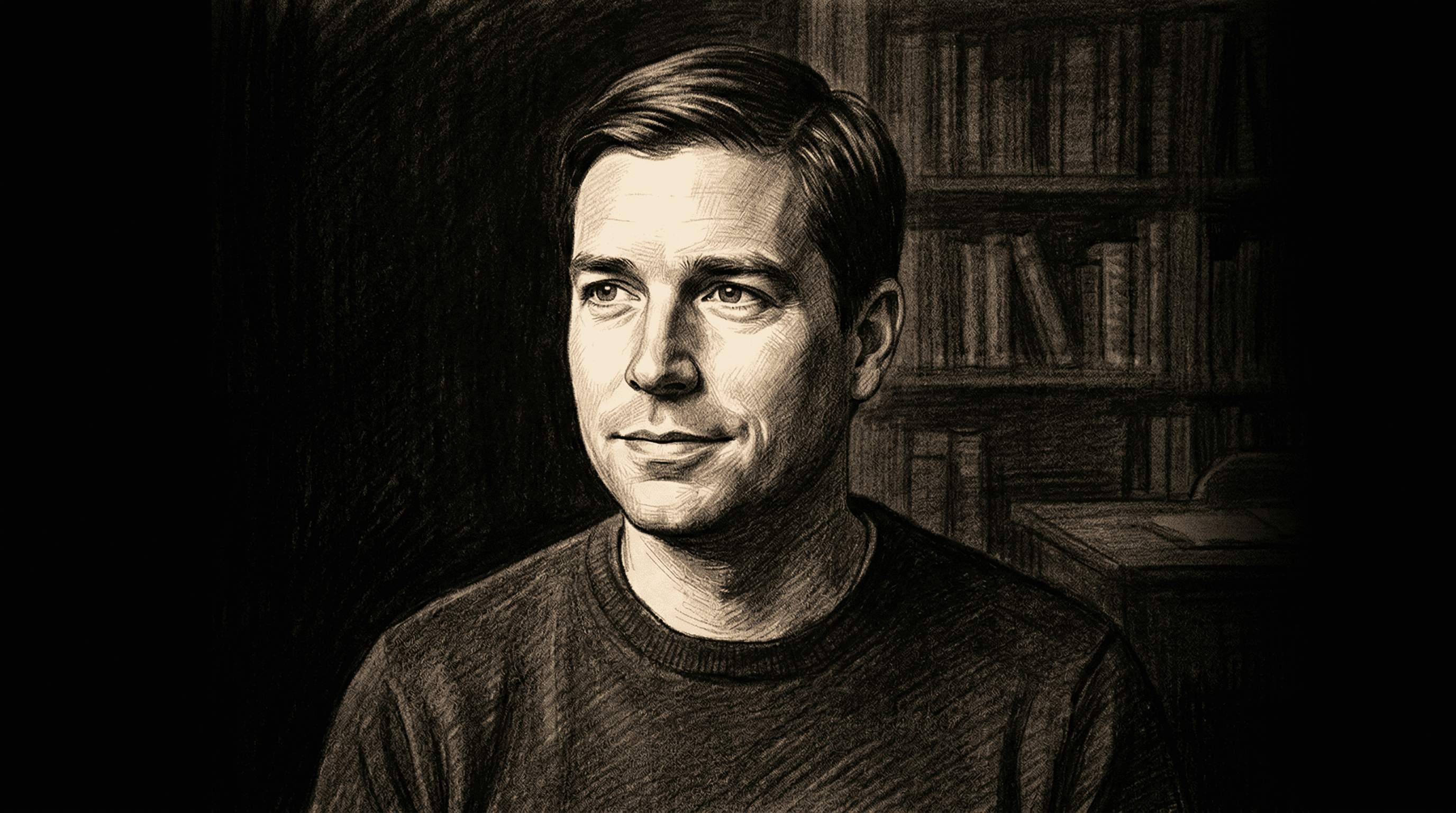
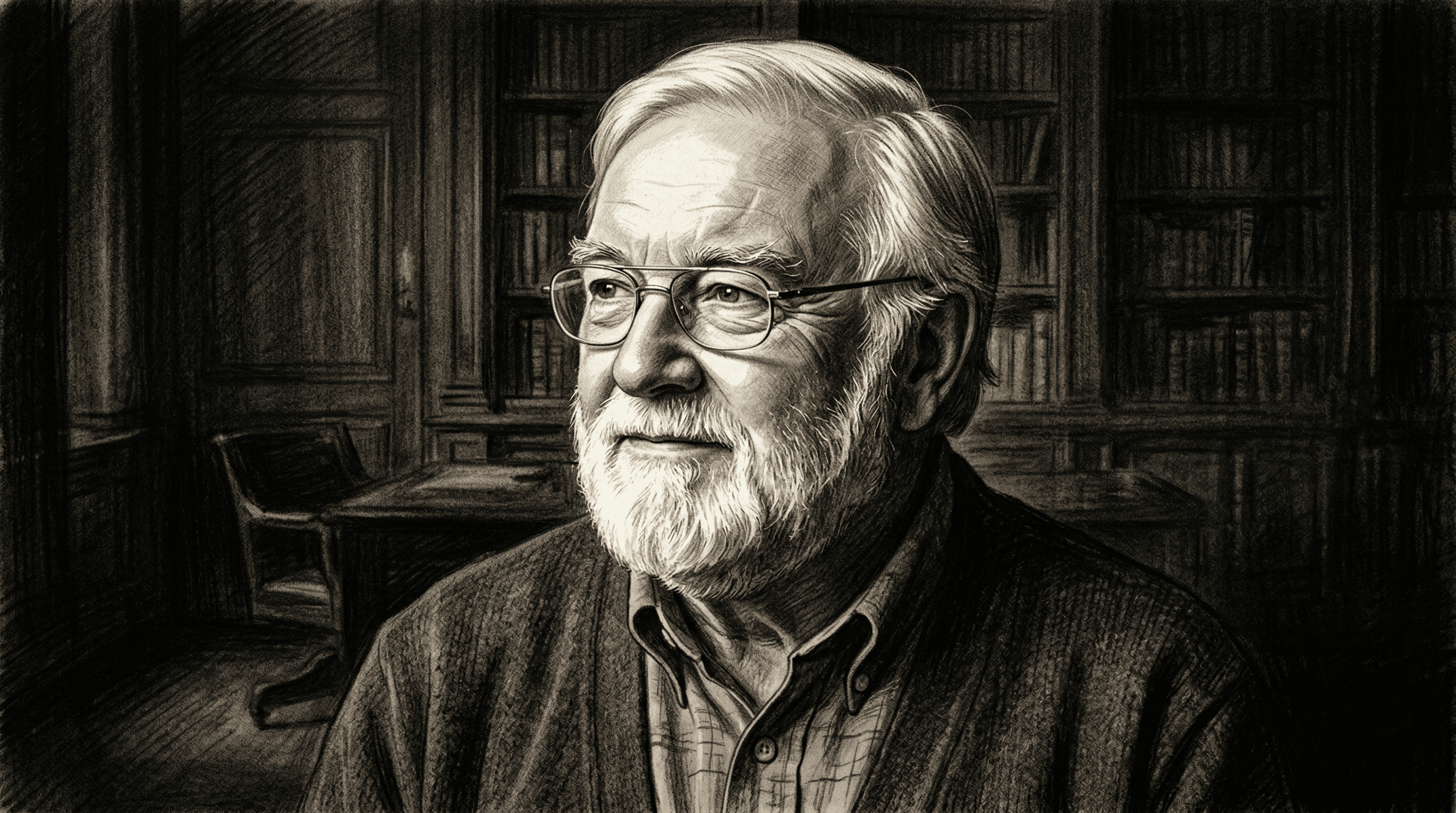
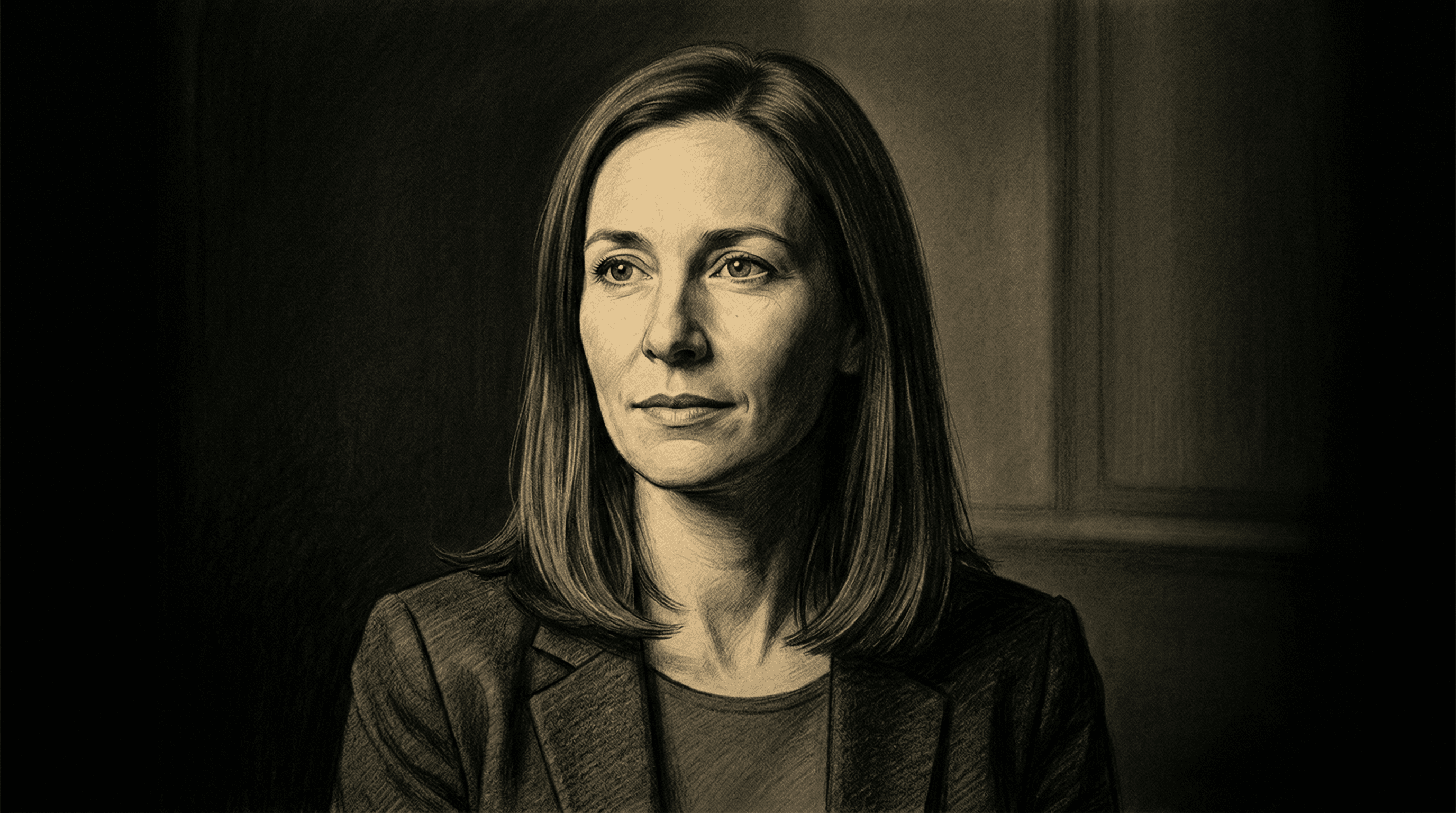
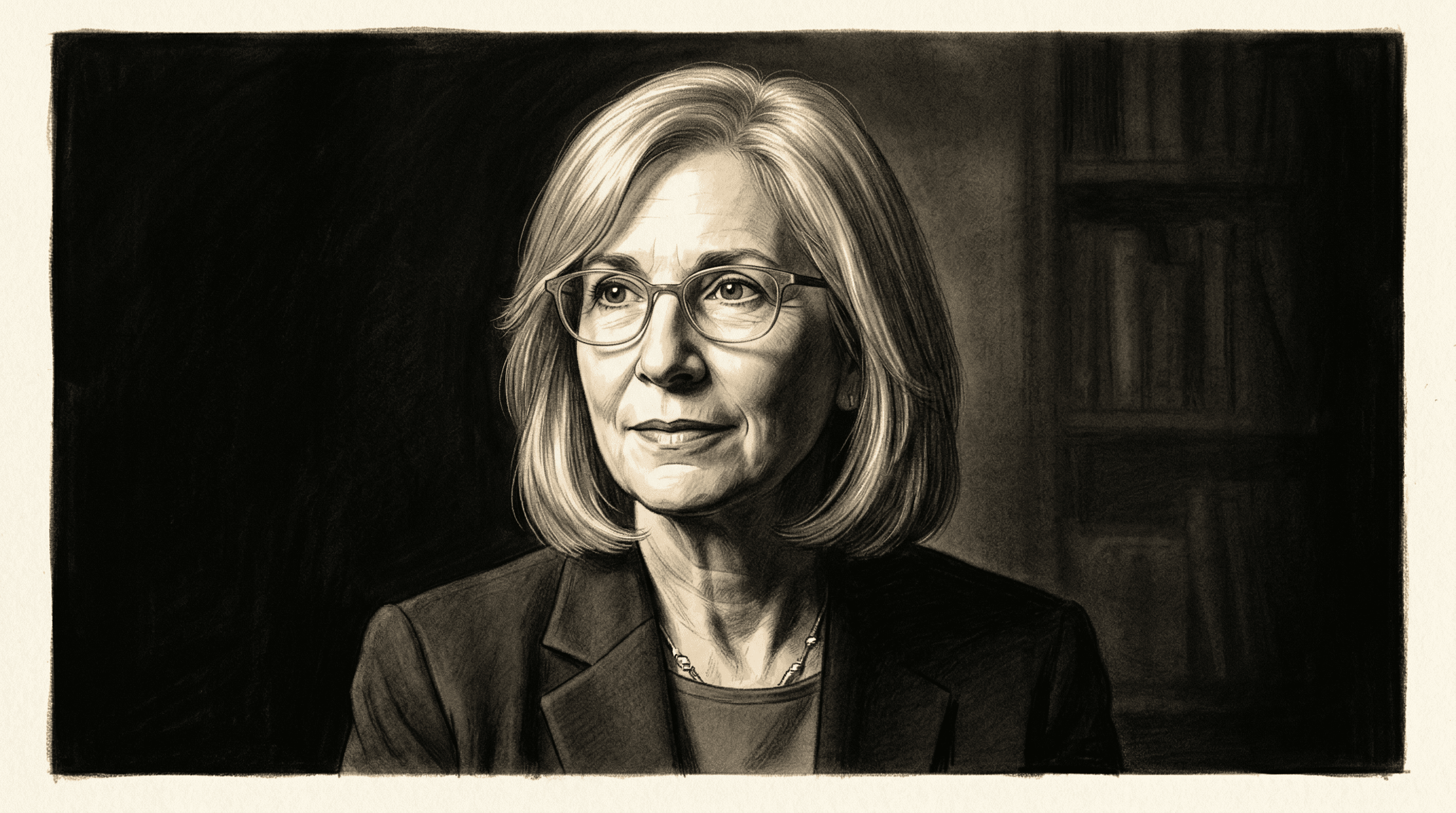
Cal Newport named it. Deep Work gave us the vocabulary: focused, uninterrupted cognition produces a different kind of output than shallow, fragmented cognition. They are not two speeds of the same thing. They are two different things. His later book, Slow Productivity, went further: you cannot sprint your way to lifetime output. You have to do fewer things, at a natural pace, with obsessive quality. Consistency beats intensity. The metronome beats the sprint.
Mihaly Csikszentmihalyi mapped the interior. He spent three decades interviewing surgeons, rock climbers, chess players, and poets, and he found the same structure underneath all of them. A state he called flow: effortless concentration, the self dissolving into the task, time bending around the work. He also found the conditions that produce it — clear goal, immediate feedback, challenge matched to skill, no interruption — and the truth that sits at the center of his entire career: flow cannot be forced. You can only set the table and wait.
Sophie Leroy measured the cost of the switch. When you stop working on task A and move to task B, part of your mind stays behind. She called it attention residue. It is not a metaphor. It is measurable, and it is brutal. A single context switch can degrade performance on the next task for ten minutes or more. A day of switches is a day of fractional presence.
Gloria Mark put a number on the interruption. Twenty-three minutes and fifteen seconds — the average time it takes, after being pulled out of focused work, to return to the depth you were at before. Twenty-three minutes. That is the real cost of "quick question." Multiply it across an open office, a Slack channel, a phone that vibrates. Most days, for most people, the twenty-three minutes never completes. The depth never returns. The day ends, and no real work was done, and nobody can say exactly why.
K. Anders Ericsson made focus trainable. His life's work was the science of expertise — the violinists, the chess grandmasters, the surgeons. What he found, again and again, was that elite performance is not a gift. It is the residue of thousands of hours of deliberate practice: focused, uncomfortable, feedback-rich work at the edge of current ability. Focus is not a personality trait you were born with. It is a skill, and like every skill, it thickens with practice and atrophies with neglect.
Five sentences, each load-bearing.
Newport said: depth is a different category of work. Csikszentmihalyi said: flow has conditions. Leroy said: the switch has a price. Mark said: the price is measurable, and enormous. Ericsson said: depth can be trained.
Put them together and you have a complete theory. A diagnosis of why modern work feels the way it does, and a prescription for what to do about it. The research has been on the shelf for decades. The part we have been missing is not the research. It is the implementation.
#Research is not enough
Reading doesn't change your day. Knowing about attention residue doesn't stop you from checking Slack. Knowing about deliberate practice doesn't pull a violin out of thin air. A theory, sitting in a book, is not yet a life.
This is the gap Particle was built to close.
Particle is not another productivity tool. I want to say that plainly, because the category is poisoned. Most of what ships under the word "productivity" is the interruption machine with a nicer icon. More dashboards. More streaks. More reasons to open the app. More ways to feel bad about the day you just had.
Particle is the opposite of that. It is a materialization of the research above — turned into an interface, a rhythm, a series of small walls built around your hours. The Day Arc protects a single block of deep work in the morning, the way Darwin protected his four and a half hours in Kent. The Particle Loop — capture, plan, execute, complete, reflect, align — is Newport's deep work discipline and Ericsson's deliberate practice fused into a daily cycle. The sessions are designed to respect Leroy's attention residue and Mark's recovery time. The whole thing is built so that the conditions Csikszentmihalyi identified — clear goal, immediate feedback, no interruption — are the default, not the exception.
The first series we published on /thinking was Deep Routines. Five portraits of people who built a working life around their limits: Darwin, Hemingway, Murakami, Angelou, Bad Bunny. That series answered the question how. How did the people who built a body of work actually structure their days.
This series — Deep Focus — answers the question why. Why those structures worked. What the science underneath them is. What the research says about the quiet, stubborn act of thinking hard for a few hours a day, without being pulled out of it.
The research belongs to everyone. Newport, Csikszentmihalyi, Leroy, Mark, Ericsson — none of them work for Particle. Their work belongs to the world. What Particle does is turn it into experience. Into an app you open in the morning and close at night, and in between, the research is quietly doing its job without you having to read it.
That's the promise. The research does the work, so you can do yours.
#Five circles, one thesis
Across the next five articles, I will walk through the ideas that matter most. One researcher, one frame, one practical consequence, per article. Not a literature review. A manifesto for how a human protects their depth in the age of the interruption machine.
№1 — Deep Work Is Trainable. Newport and Ericsson together. Focus is not a personality trait. It is a muscle, and most of us have let it atrophy. The article explains how to rebuild it, and why the rebuild matters more than any other investment of your time.
№2 — The Gap Between Two Sessions. Leroy and Mark together. The invisible cost of switching. What attention residue actually is, why twenty-three minutes is the number, and what a day looks like when you stop paying that tax.
№3 — Flow Cannot Be Forced. Csikszentmihalyi alone. The eight conditions of flow, why trying harder never produces it, and what the difference is between a day that sets the table and a day that kicks it over.
№4 — When Less Is the Work. Newport again, on Slow Productivity. The quiet case for doing fewer things, with obsessive quality, at a natural pace — and why the person who finishes three things this year will beat the person who started thirty.
№5 — The Ritual of Closing. Newport one last time, on the shutdown. How to end a working day so that the next one is possible. Why the day is an organism, not a container. Why a night that is really a night is the hidden prerequisite of a morning that is really a morning.
Five circles, radiating from a single thesis: silence is the raw material of deep work, and silence has to be protected by design.
We don't need more productivity advice. We need silence, protected by design. Everything that follows — five articles, one app — is built on that single sentence.